
Coinbase CEO admitted, "We messed up, it's time to move on."
Written by: ChandlerZ, Foresight News
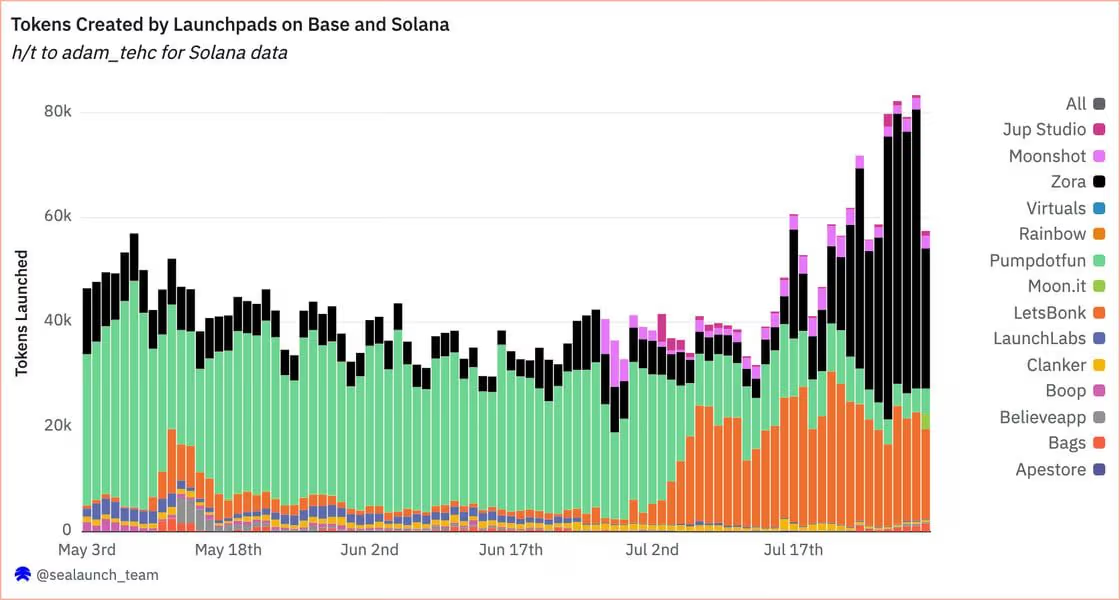
On July 13, Coinbase CEO Brian Armstrong publicly acknowledged on X that the content coins strategy of the Base network, which had been ongoing for over a year, had failed. Starting in 2025, Base heavily promoted content coins through the Zora platform, embedding them as a core feature in its own wallet product, which at one point pushed Base to become the L2 chain with the largest number of new token issuances.
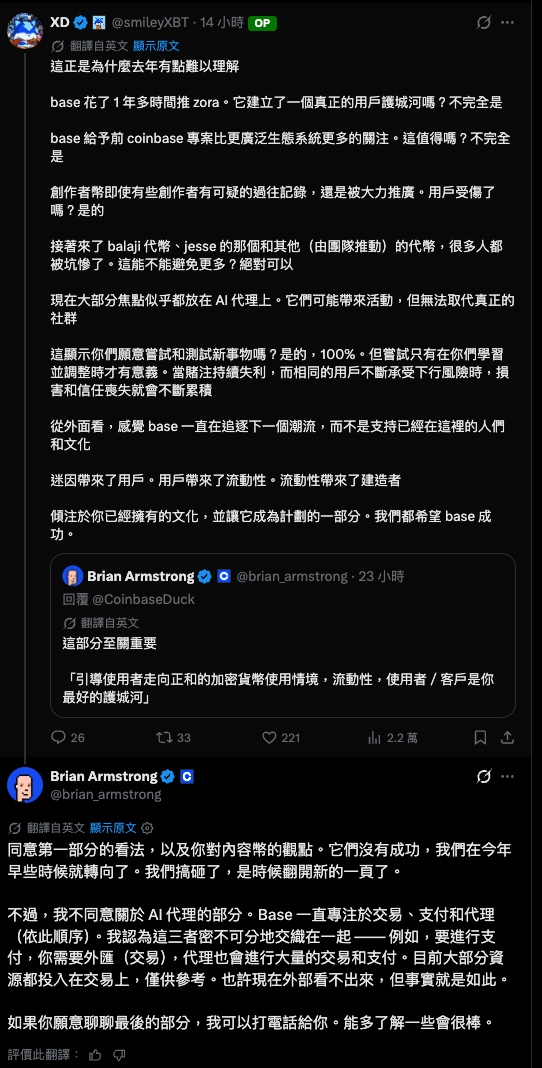
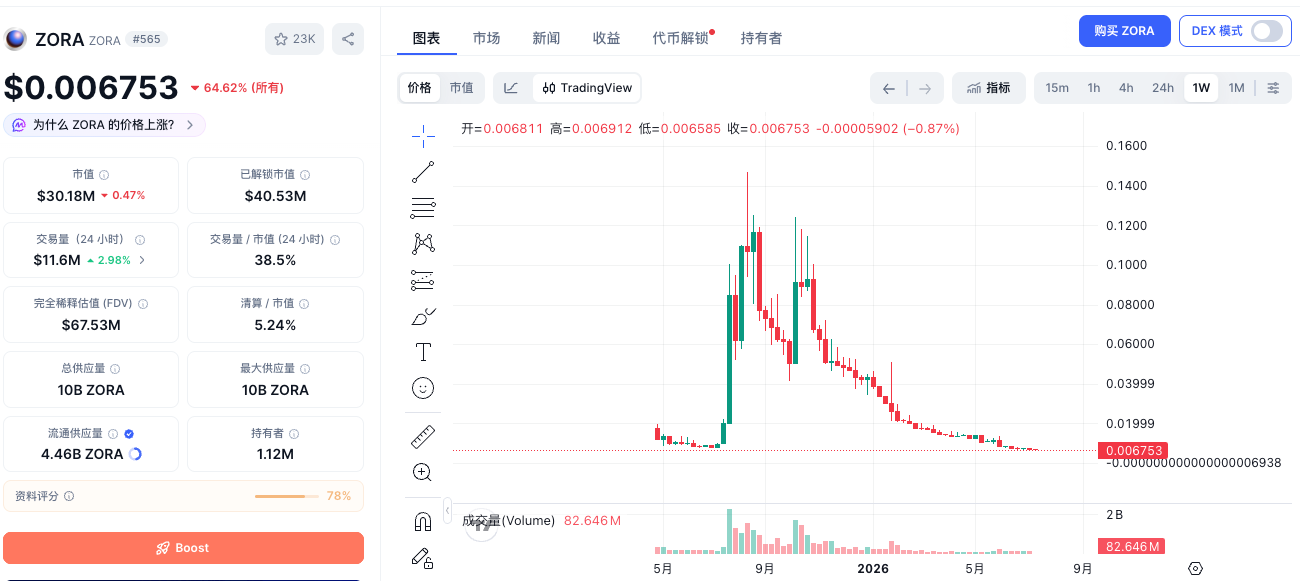
Brian Armstrong stated, "It didn’t work, we pivoted earlier this year. We messed up, it's time to move on." Meanwhile, the ZORA token, which provided core infrastructure for this experiment, has dropped about 95%!,(MISSING)with its market cap shrinking from around $550 million to approximately $30 million.
From "Every Post is a Coin" to "We Messed Up"
Brian Armstrong's statement provides the clearest confirmation of failure for Base's nearly year-long creator coin experiment. In July 2025, Coinbase renamed Coinbase Wallet to Base App, adding social feed, chat, payment, trading, and app discovery features to the product. When Base launched the app in over 140 countries in December of the same year, it still defined it as an all-in-one product for social, trading, and payments.
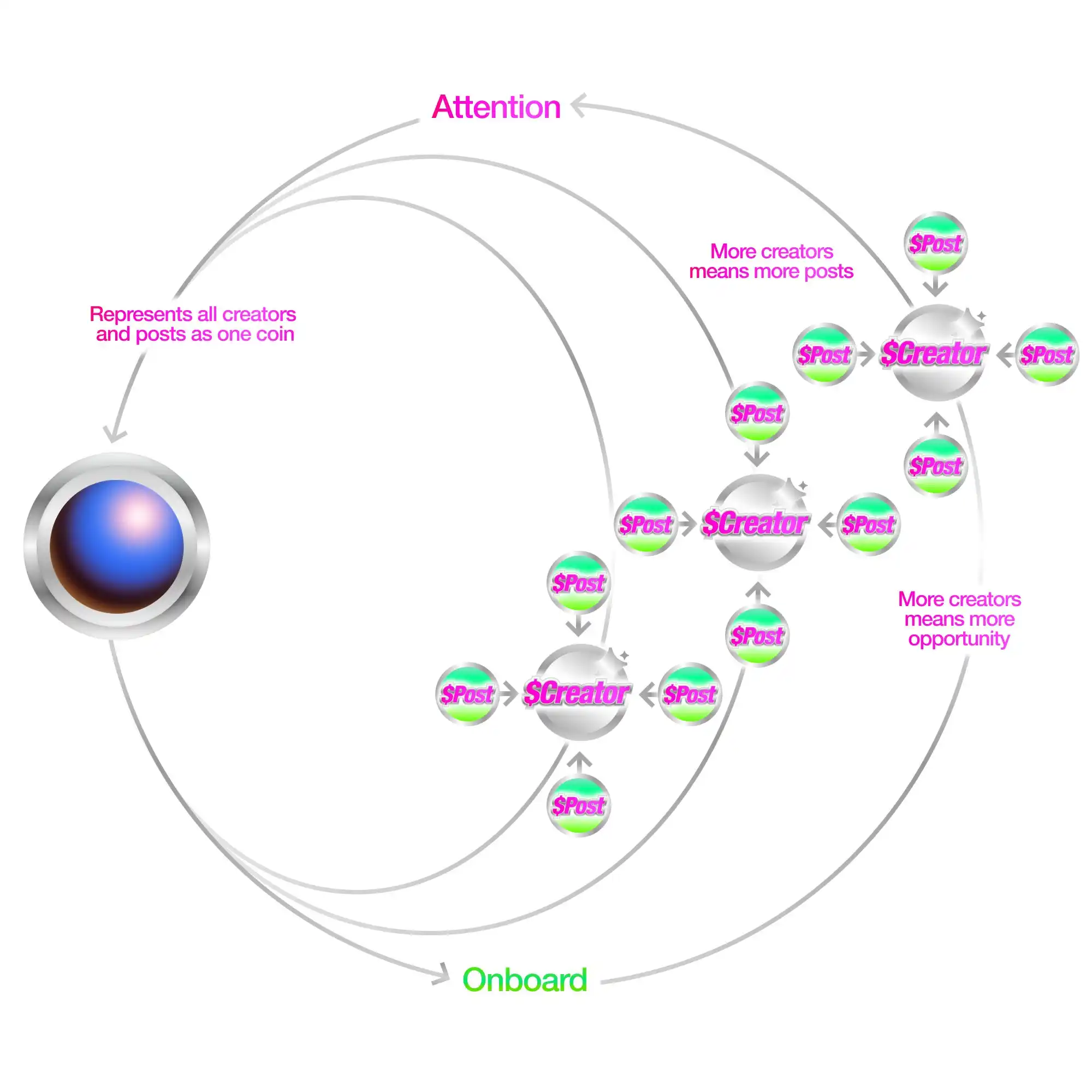
Base's creator economy is supported by underlying tools from the on-chain social platform Zora. A content coin corresponds to a specific post; when a user publishes an image, video, or text, the system simultaneously creates a freely tradable ERC-20 token. Each content coin has a fixed issuance of 1 billion tokens, with creators receiving 1%!,(MISSING)10 million tokens directly upon launch. The token initially has no price; once other users buy it, an on-chain quote is formed, and subsequent trades determine the market cap and the profits or losses of holders.
Buyers receive a token linked to the post, which can be sold to the market at any time. The token does not include the copyright of the post, nor does it represent the creator's equity, future income, or profit sharing. Zora's terms of service limit its use to entertainment, usage, and consumption, and require users to confirm that their purchase purpose does not involve equity or profit sharing. Therefore, the buyer's profit mainly depends on whether later buyers are willing to take over at a higher price.
Creator coins are tied to the entire account; each Zora account has only one. It also has a fixed issuance of 1 billion tokens, with 50%!进(MISSING)入 the public market and the other 50%!在(MISSING) linearly unlocked to the creator over five years. Content coins published by the account afterward will be linked to the creator coin, and Zora hopes that popular content will increase demand for the creator coin. Creators can sell their allocated tokens and also receive a share from each transaction fee. Base claimed at the time that this structure could bypass advertising, brand partnerships, and follower count thresholds, directly converting attention into transaction revenue.
100,000 Tokens Launched in One Day, But Transactions Didn’t Retain Users
Low-cost token issuance quickly boosted Base's superficial activity. In August 2025, since the re-launch of Base App, Zora's activity reached an all-time high: over 1.6 million creator coins were minted, nearly 3 million independent traders participated, and the total transaction volume exceeded $470 million. The price of Zora token also rose nearly 5 times in one month.
In April 2025, after Base's official account published the content "Base is for everyone" via Zora, the system automatically generated a token with the same name. The token surged briefly after launch, then dropped about 95%!。(MISSING)Base explained that the official did not sell the token nor issue it as a formal project, but ordinary users found it difficult to distinguish between a content post, a token issuance, and official endorsement.
Creator Nick Shirley's token then provided a more direct example: Shirley's investigative video received over 100 million views on social media, and Brian Armstrong also promoted it publicly. His creator coin's market cap once rose to $15 million before falling back quickly. Viral spread brought short-term buying, but did not establish sustained demand for the token.
The collaboration between Base and Zora also sparked dissatisfaction among ecosystem developers. Some developers believe that Base invested too much exposure and resources into Zora and creator coins, which neither formed a stable user barrier nor squeezed the display opportunities of other Base projects. A community member who questioned Brian Armstrong on July 13 also pointed out that many participants suffered losses from the token's decline.
Still Defending Content Coins in January, Already Retreating in February
Brian Armstrong was still defending this model in January this year. He responded to a former Coinbase engineer's question about the zero-sum nature of content coins, saying that buying content coins would generate economic value and demand for creator coins. About a month later, Base App announced the suspension of Creator Rewards and removed the social feed supported by Farcaster, shifting the product's focus to tradable assets.
In March, Brian Armstrong first admitted in a podcast that the SocialFi features of Base App "didn't work very well". Base's subsequent 2026 strategy put trading and stablecoin payments at its core. According to official disclosure, Base processed over $17 trillion in stablecoin transactions in 2025, covering 26 local currencies and 17 countries. These data provide a clearer business basis for shifting to financial infrastructure.
In the same post, Armstrong refuted another criticism: @smileyXBT argued that Base's current heavy focus on AI agents is repeating the cycle of chasing hype. Armstrong responded that Base's roadmap has always prioritized three areas—trading, payments, and AI agents—and most resources are currently allocated to trading.
From April 2025 when Base officially entered minting, to July 2026 when Armstrong said "we messed up", 15 months passed. ZORA's market cap evaporated by nearly $500 million. Throughout the process, Coinbase continued to increase its investment: embedding Zora into its wallet product, encouraging funds to establish creator token indices, and providing platform-level exposure for insiders' tokens.
Coinbase can classify these 15 months as a product experiment that has been put behind, but the losses in holders' accounts will not disappear with the strategic pivot.