
As a precise tool for expressing volatility and direction, the demand for on-chain options is on the rise.
Written by: Ma He, Foresight News
On June 29, an address associated with BitMEX co-founder Arthur Hayes purchased approximately 6.16 million SYN tokens via OTC platform Flowdesk, with a transaction value of around $2.2 million and an average purchase price of about $0.3573.
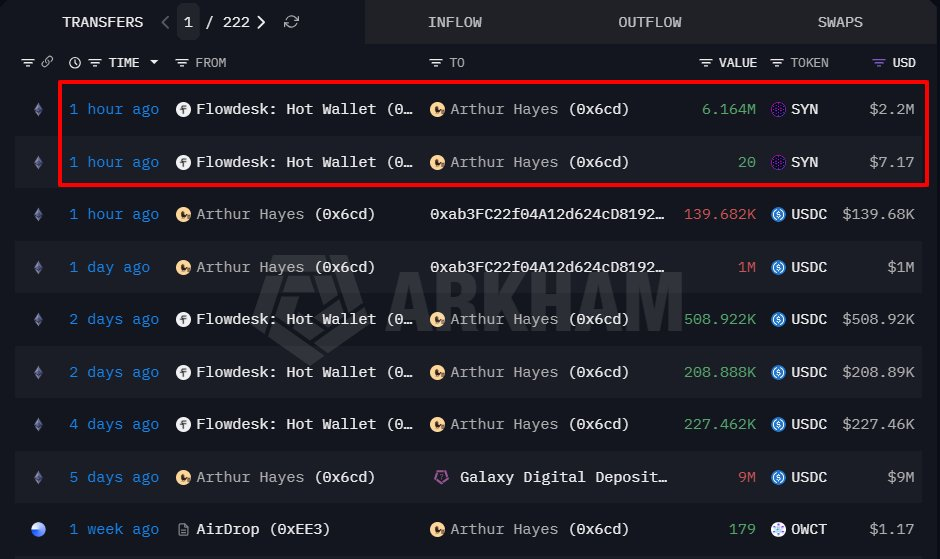
Subsequently, Arthur Hayes posted on X stating that SYN is one of the most asymmetric investments he has seen since HYPE, and clearly stated: "It's time for an options DEX to formally challenge Deribit, and Hypercall is that challenger."
Currently, SYN is quoted at $0.436, with a 24-hour gain of over 40%! Since June 2026, SYN's price has seen an explosive rise, with a monthly increase of more than 10x, and an FDV of approximately $110 million.
Synapse: From Cross-Chain Infrastructure to On-Chain Options
Synapse Protocol was founded in 2021, initially positioned as a universal cross-chain messaging and liquidity network. It allows developers to transfer any data between different blockchains, including smart contract calls and NFTs, not limited to simple asset bridging.
In its early days, Synapse carved out a niche in the multi-chain ecosystem with cross-chain AMM liquidity pools and low-slippage stablecoin swaps. During the 2021-2022 bull market, its TVL once exceeded $1 billion, forming the mainstay of the cross-chain bridge track together with projects like Wormhole, LayerZero, and Axelar. However, the cross-chain sector is highly competitive, and coupled with the impact of the bear market, the protocol's TVL has dropped significantly.
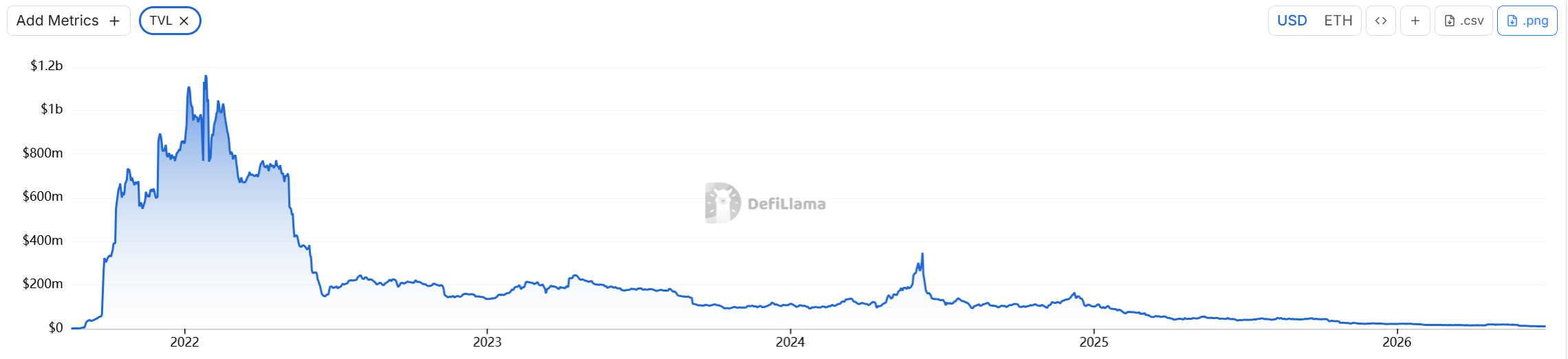
According to the latest data from DefiLlama, as of June 2026, Synapse's TVL is approximately $11.1 million, mainly concentrated on chains like Ethereum and Canto.
As a governance token, SYN once hit a high of around $5 in October 2021, then remained in a slump for a long time.
Hypercall is an on-chain options trading protocol built by the Synapse team, deployed on HyperEVM within the Hyperliquid ecosystem. Its core proposition is to create an "options exchange that can trade any asset".
Unlike traditional centralized options platforms or early on-chain options protocols, Hypercall officially states that it supports transactions of any size, with contracts that can be split into dollar or million-dollar levels; in addition, the maximum loss for options is only the premium paid, with no risk of forced liquidation or cascading liquidation; it also supports 24/7 trading, etc.
Currently, Hypercall's Mainnet Alpha has been launched, allowing users to directly connect their wallets to trade SpaceX (SPCX) options, and there are already underlying assets such as BTC put options and NVDA spreads. The team previously claimed that the cumulative trading volume of its product exceeds $55 billion.
Deribit: The Centralized Options Dominator
Founded in 2016, Deribit has long held an absolute dominant position in the crypto options market. According to industry data, it holds about 85% market share in BTC and ETH options, making it the preferred platform for institutional traders, market makers, and quantitative funds.
Currently, according to DeFiLlama data, its total asset value is $3.588 billion.
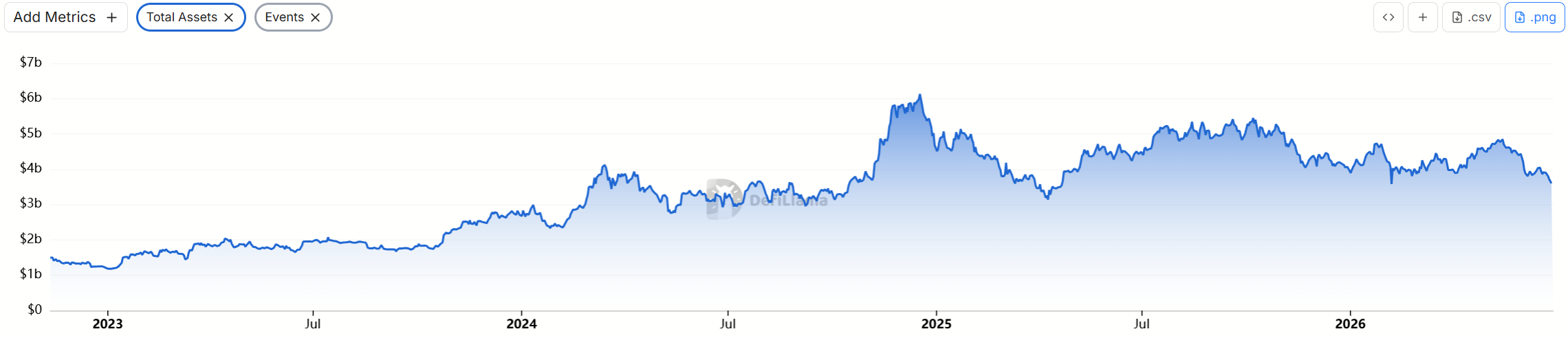
Deribit's advantages lie in its deep liquidity and professional tools: supporting portfolio margin, block trading, low-latency multicast data feeds; in addition, it has operated stably for a long time. However, centralization also brings inherent limitations: custody risks, KYC thresholds, regulatory uncertainty, and relative unfriendliness to small retail users and DeFi natives. The complexity of options trading and margin mechanisms further amplify these pain points.
Arthur Hayes' shilling judgment directly points to the core logic of the industry — as on-chain perpetual DEXs like Hyperliquid prove high performance, composability, and capital efficiency, the demand for on-chain options (as a "precise tool for expressing volatility and direction") is accumulating.
Hypercall's potential advantages include: decentralization, permissionlessness, no KYC, and transparency. In addition, deep integration with Hyperliquid's settlement layer gives it a trading experience close to centralized platforms while retaining on-chain transparency; however, the protocol is still in the early Mainnet Alpha stage, with liquidity depth far less than Deribit. The initial underlying assets are tested with SpaceX and others, and coverage of mainstream crypto options still takes time; historically, on-chain options protocols (such as Hegic and early versions of Opyn) have made many attempts, but ultimately often failed to scale due to insufficient liquidity.
Deribit's network effect is hard to replace in the short term. Hypercall is more likely to be a "complement and differentiated competitor" rather than a direct replacement — especially in the options field of DeFi-native and emerging assets (such as RWA and AI-related underlying assets).
What Game Is the Shilling King Playing?
Arthur Hayes' recent shilling records show obvious divergence.
Previously, he was very bullish on HYPE, predicting a price target as high as $150, but chose to fully liquidate HYPE in early June. In addition, he also liquidated NEAR and WLD, which he had shilled before. On June 16 and 23, on-chain tracking data showed that he bought back a total of 91,000 HYPE via exchanges.
On June 24, Arthur Hayes' family office Maelstrom released a deep research report on CARDS (Collector Crypt), which also caused considerable controversy. It set a target price of $4 by the end of summer.
Just four days later, CARDS' market cap dropped by about 22% since Maelstrom set the target price.
Currently, the price is $0.2437, with a market cap of $100 million and an FDV of $487 million.
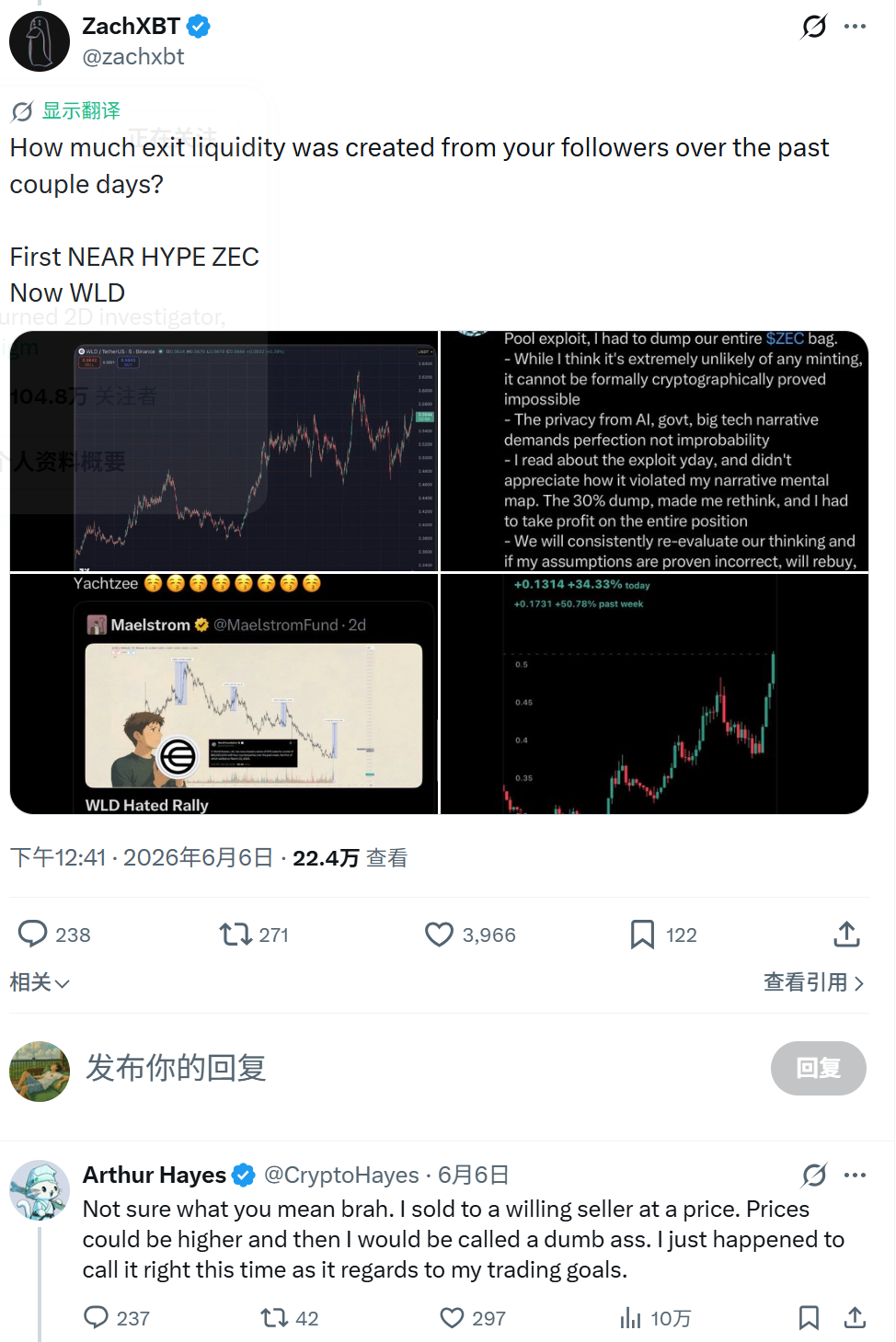
On-chain detective ZachXBT previously tweeted to criticize Arthur Hayes for publicly shilling multiple times in the past few days: "How much exit liquidity have your fans generated because of this in the past few days?" Arthur Hayes then responded that he was just trading normally, prices could go up or down, and said "this time the judgment was correct."